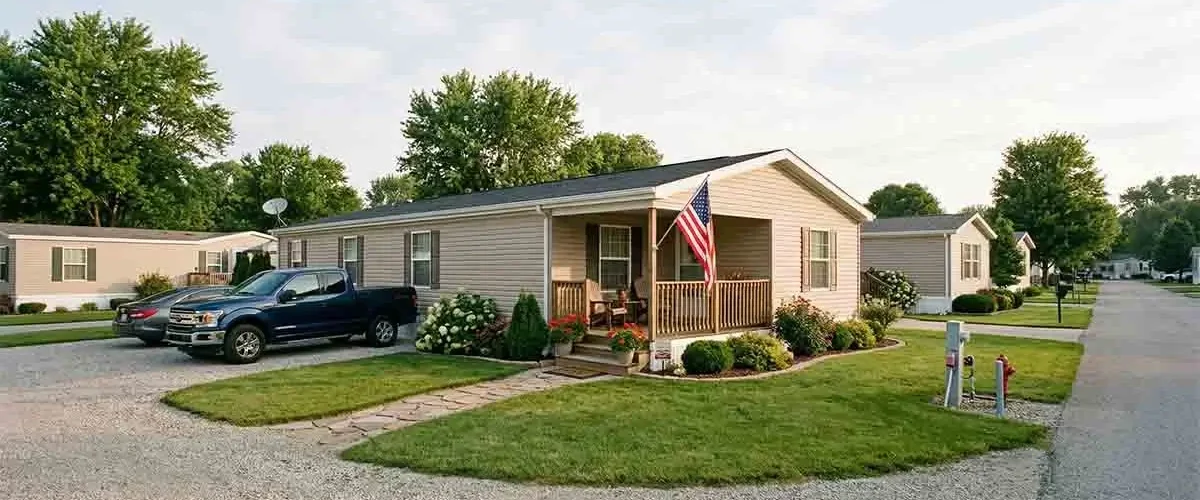
If you live in a mobile home park or are considering moving into one, there is a situation you need to fully understand before you sign anything: owning a manufactured home but not the land it sits on. This arrangement is extremely common in the United States — millions of Americans are in exactly this situation — but it comes with risks and limitations that most people do not fully appreciate until they are already in the middle of them.
This guide breaks down exactly what it means to own the home but not the land, what your rights are, what can go wrong, and what you can do to protect yourself.
How This Situation Comes About
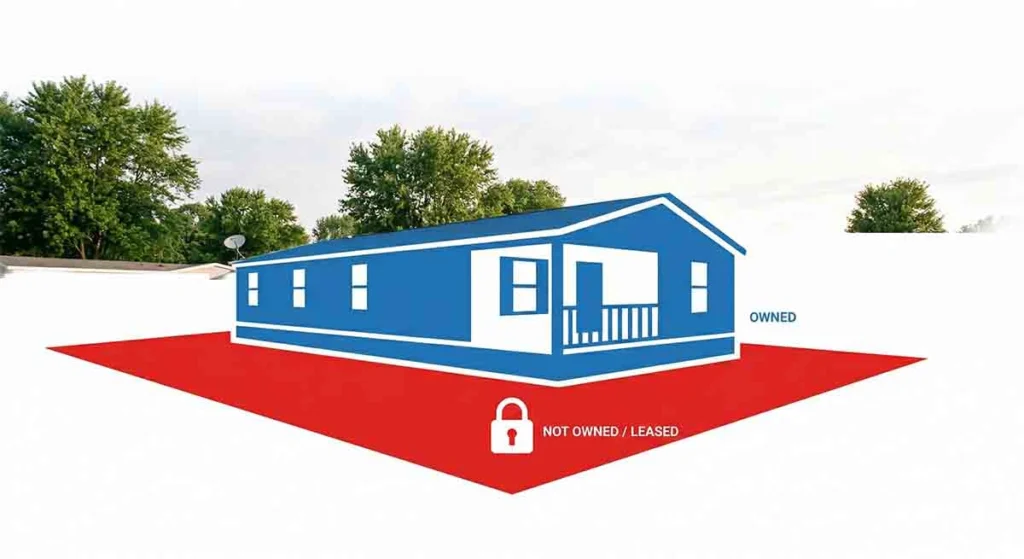
When you buy a manufactured home in a mobile home park, you typically purchase only the home itself. The land underneath it — the lot — is owned by the park operator, and you pay monthly lot rent to keep your home there. This is fundamentally different from buying a house in a traditional neighborhood, where the land is included in the purchase.
The manufactured home in this situation is typically titled as personal property, sometimes called a chattel title, rather than as real estate. This distinction has major consequences for financing, insurance, taxes, and your long-term financial security.
The Title Issue: Personal Property vs. Real Property
In most states, a manufactured home on leased land is classified legally as personal property — the same legal category as a car or a boat. This is important to understand because:
- Personal property is not secured by the same legal protections as real estate
- Financing options are more limited and more expensive (chattel loans vs. mortgages)
- The home can depreciate in legal value more quickly than real estate
- In some states, your home can be more easily seized in a financial dispute
When a manufactured home is placed on land that the homeowner also owns, and when the home is permanently affixed to a foundation, it can typically be converted to real property — giving it the same legal status as a site-built house.
Lot Rent: The Ongoing Cost You Cannot Escape
The most immediate practical consequence of not owning your land is lot rent. Every month, park residents pay rent for the right to keep their home on the park’s land. Lot rents across the country vary widely — from around $300 per month in rural areas to over $1,000 per month in desirable coastal markets.
The problem is that lot rent can be raised. Unlike a fixed-rate mortgage, lot rent is subject to increases, often annually. In recent years, as many mobile home parks have been purchased by investment funds and private equity firms, lot rent increases have accelerated dramatically. There are documented cases of lot rents doubling over three to five years.
When lot rent rises sharply, you face a difficult situation: you own the home, but you cannot afford to keep it where it is. Moving a manufactured home is expensive — typically $5,000 to $15,000 or more — and many homes are not structurally able to survive a move.
What Happens If the Park Closes?
This is the nightmare scenario for manufactured home park residents: the park owner decides to sell the land for development. When a park closes, residents are typically given a notice period to either move their home or abandon it. This notice period varies by state — sometimes as short as 60 days, sometimes a year or more.
This is not a theoretical risk. Thousands of mobile home parks have closed across the United States in recent decades, displacing hundreds of thousands of residents. Many of those residents could not afford to move their homes and essentially lost their entire investment.
Some states have passed laws requiring longer notice periods, relocation assistance payments, or giving residents the right of first refusal to purchase the park. But protections vary enormously by state, and in many states the protections are minimal.
Your Legal Rights as a Park Tenant
Even without land ownership, you do have rights as a manufactured home park resident. The specific rights depend heavily on your state, but in general:
Right to a Written Lease
Most states require that your lot rental agreement be in writing. Always insist on a written lease, even if the park operator prefers a month-to-month arrangement. A written lease gives you predictability and legal standing if disputes arise.
Right to Notice Before Rent Increases
Most states require park operators to give a certain amount of notice — typically 30 to 90 days — before raising lot rent. Some states cap how much rent can increase per year. Know your state’s rules.
Right to Eviction Protections
You generally cannot be evicted from a mobile home park without cause, and even for-cause evictions must follow a legal process. Common grounds for eviction include non-payment of lot rent and violation of park rules. An eviction that does not follow the proper legal process is illegal.
Right to Sell Your Home
In most states, the park cannot prevent you from selling your manufactured home. Some parks have rules about buyer approval, but these rules cannot be used to arbitrarily block a legitimate sale.
The Financial Implications
Financing Is More Expensive
Without land as collateral, you cannot get a traditional mortgage. Instead, you will typically finance a manufactured home in a park with a chattel loan. Chattel loan interest rates are typically 2 to 5 percentage points higher than conventional mortgage rates, and loan terms are shorter. Over the life of the loan, this means significantly more paid in interest.
No Land Equity
When you own land, its value grows over time — adding to your net worth. When you rent the land, that appreciation goes entirely to the park owner. Over 20 or 30 years, this represents a significant wealth gap.
Options for People in This Situation
Option 1: Buy the Land Under Your Home
The best outcome is to purchase the lot you are on, if the park owner is willing to sell individual lots. If you can buy the land under your home, you can potentially convert the home to real property and access much better financing.
Option 2: Join a Resident-Owned Community
Some mobile home parks have been converted to resident-owned communities (ROCs), where residents collectively own the park land through a cooperative. ROC USA actively helps residents purchase parks when they come up for sale. This is a powerful model that gives residents security, stability, and equity.
Option 3: Move the Home to Owned Land
If you can find affordable land in your area, moving your manufactured home onto land you purchase gives you the full benefits of ownership. This requires the home to be in movable condition and involves significant moving costs, but it can dramatically improve your long-term financial position.
Option 4: Stay and Know Your Rights
If moving or buying is not feasible, the most important thing is to know your rights and exercise them. Get a written lease, understand your state’s tenant protection laws, and stay engaged with any park ownership changes.
The Bottom Line
Owning a manufactured home but not the land is a common situation that comes with real risks — lot rent increases, park closures, limited financing options, and no land equity. But it is also a situation that millions of Americans manage successfully by understanding their rights and making smart decisions.
The most important thing you can do if you are in this situation is to go in with open eyes. Understand exactly what you own and what you do not own, know your state’s tenant protection laws, and always push for a written lease with the longest possible term.

Beth Anne Calloway is a rural development specialist turned writer with 15 years of experience helping families navigate land use, USDA programs, rural zoning, and manufactured home placement on private land. She and her husband live on 12 acres in East Tennessee in a manufactured home they placed themselves — and she learned every lesson the hard way so you do not have to.