With traditional housing costs at all-time highs in much of the United States, more Americans than ever are asking: is buying a manufactured home worth it in 2026? The honest answer is nuanced — for many people, absolutely yes. For others, the circumstances have to be right. This guide gives you the complete, unvarnished picture.
The Case FOR Buying a Manufactured Home in 2026
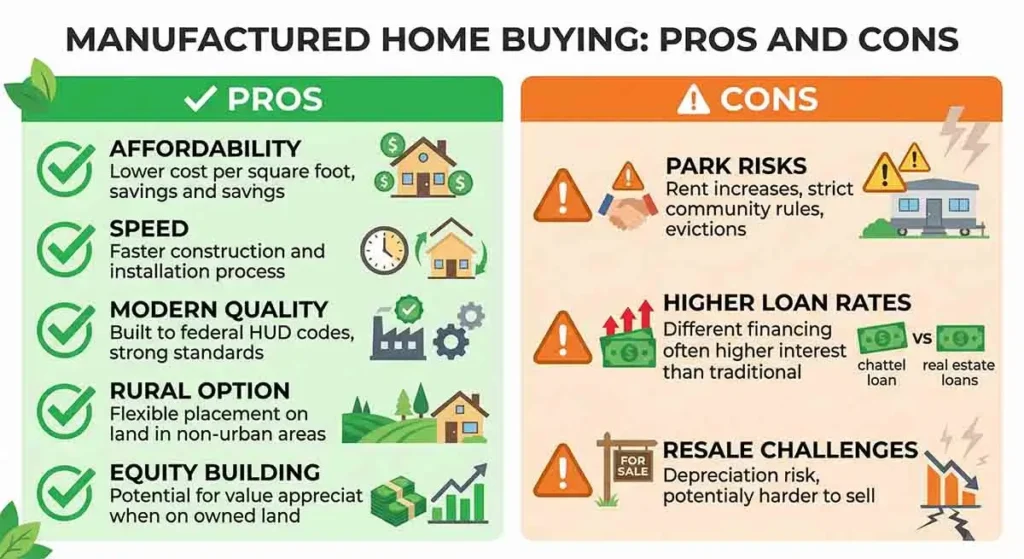
Affordability That Simply Cannot Be Matched
The most compelling argument for manufactured homeownership is cost. The average new manufactured home in the United States in 2026 costs $80,000 to $160,000 — a fraction of the $400,000+ median price of a new site-built home. Even accounting for land and site preparation costs, a manufactured home project on your own land typically comes in at $150,000 to $250,000 in most markets — often half or less of what a comparable site-built home would cost.
For the tens of millions of Americans who earn average or below-average wages, a site-built home is simply not financially accessible. A manufactured home may be the only realistic path to homeownership.
You Build Equity — If You Do It Right
The old narrative that manufactured homes always depreciate is outdated and overly simplistic. As we discuss in depth elsewhere on this site, manufactured homes on owned land with permanent foundations can and do appreciate in value, particularly in growing markets.
The difference between renting and owning — even in a manufactured home — is equity. Renters build zero equity. A manufactured homeowner on owned land builds equity through both debt paydown and (in most markets) appreciation. Over a 15-to-20-year period, that equity difference can be life-changing.
Speed to Occupancy
A manufactured home can typically be ordered, delivered, and ready to occupy within 60 to 120 days from purchase. A site-built home in most markets takes 6 to 18 months to build and often costs 20 to 30 percent more by the time construction is complete. For buyers who need housing quickly, manufactured homes offer a speed advantage that site-built construction cannot match.
Modern Quality Has Improved Dramatically
Today’s manufactured homes — particularly those built to post-2021 HUD energy standards — are substantially better than the stereotypes from a generation ago. New manufactured homes have open floor plans, vaulted ceilings, modern kitchens, energy-efficient windows, and HVAC systems that rival entry-level site-built homes. The days of thin walls and flimsy construction in modern HUD-code homes are largely behind us.
Rural Living Made Affordable
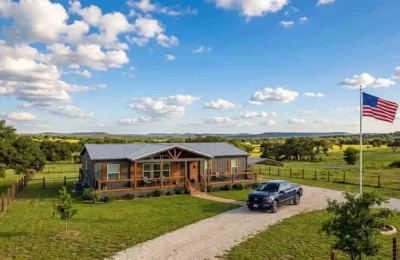
For Americans who want to live in rural areas — whether for lifestyle, lower cost of living, or proximity to family — a manufactured home on a rural lot is often the only financially viable option. Site-built construction in rural areas is expensive due to contractor availability and material transport costs. Manufactured homes can be delivered to rural sites and installed at a fraction of the cost of rural site-built construction.
The Case AGAINST Buying a Manufactured Home (Or When to Be Careful)
The Park Trap
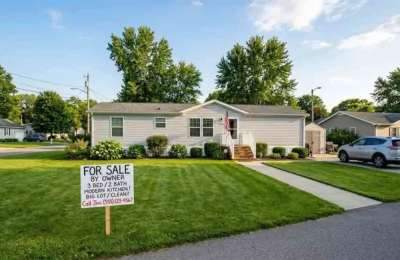
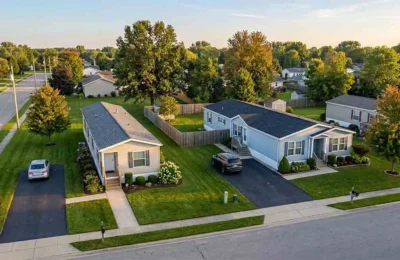
The biggest risk in manufactured homeownership is buying a home in a mobile home park on leased land. As we detail extensively elsewhere on this site, park residents face lot rent increases, the risk of park closure, limited financing options, and no land equity. For many park residents, the financial reality of manufactured homeownership in a park is not dramatically better than renting — and in some cases, it is worse.
Buying a manufactured home is worth it when you own or are buying the land. Buying a manufactured home in a park where you rent the land requires much more careful calculation of the long-term financial picture.
Financing Remains More Expensive Than It Should Be
Despite improvements in recent years, financing a manufactured home — particularly a chattel loan for a park-based home — remains more expensive than site-built home financing. Chattel loan interest rates are typically 2 to 5 percentage points higher than conventional mortgage rates. On a $100,000 loan, that can mean $150 to $250 more per month in interest charges.
If you can own the land and qualify for mortgage financing, this gap narrows considerably. But for park-based buyers using chattel financing, the higher cost of money is a real financial burden that should be factored into your decision.
Resale Can Be Harder
Manufactured homes are a smaller market than site-built homes, and the pool of potential buyers is somewhat smaller. When it comes time to sell, you may find fewer interested buyers and a longer time on market compared to a similar-priced site-built home. This is less of an issue in areas with strong manufactured home markets (Texas, North Carolina, Florida), but it is a real consideration in markets where manufactured homes are less common.
Stigma Still Exists in Some Markets
Despite the improvements in quality and the growing recognition of manufactured housing as a legitimate housing option, stigma persists in some communities and markets. This can affect both resale value and the social experience of living in a manufactured home in certain areas.
Who Is a Manufactured Home the Best Choice For?
Based on the complete picture, here is a framework for thinking about whether a manufactured home is right for your situation:
Manufactured homeownership makes the most sense if:
- You are priced out of site-built homes in your market but want to own rather than rent
- You can purchase or already own land to place the home on
- You are comfortable with a longer-term commitment to the property (at least 5 to 10 years)
- You are willing to maintain the home well and make smart upgrades over time
- You are buying in a market with growing demand for affordable housing
- You want to live rurally and need an affordable rural housing solution
Think very carefully before buying a manufactured home if:
- You are buying in a mobile home park on leased land and the lot rent is already high or rising
- You plan to sell within 3 to 5 years (the transaction costs may outweigh the equity built)
- You are buying an older home (1980s or earlier) in unknown condition
- You cannot qualify for mortgage financing and are facing chattel loan rates above 8 to 9%
The Numbers: A Realistic Comparison
Let us look at a realistic 2026 comparison between manufactured homeownership on owned land versus renting:
Manufactured home scenario: $160,000 total (home plus land plus site prep), 30-year mortgage at 7% interest. Monthly payment: approximately $1,065. After 10 years, equity built: approximately $30,000 through paydown plus any appreciation.
Renting scenario: $1,200 per month rent (current average for a 3-bedroom unit in many US markets). After 10 years: equity built: $0. Total rent paid: $144,000.
Over 10 years, the manufactured homeowner has built meaningful equity while paying a lower monthly amount. The renter has paid more in total and has nothing to show for it.
The Bottom Line
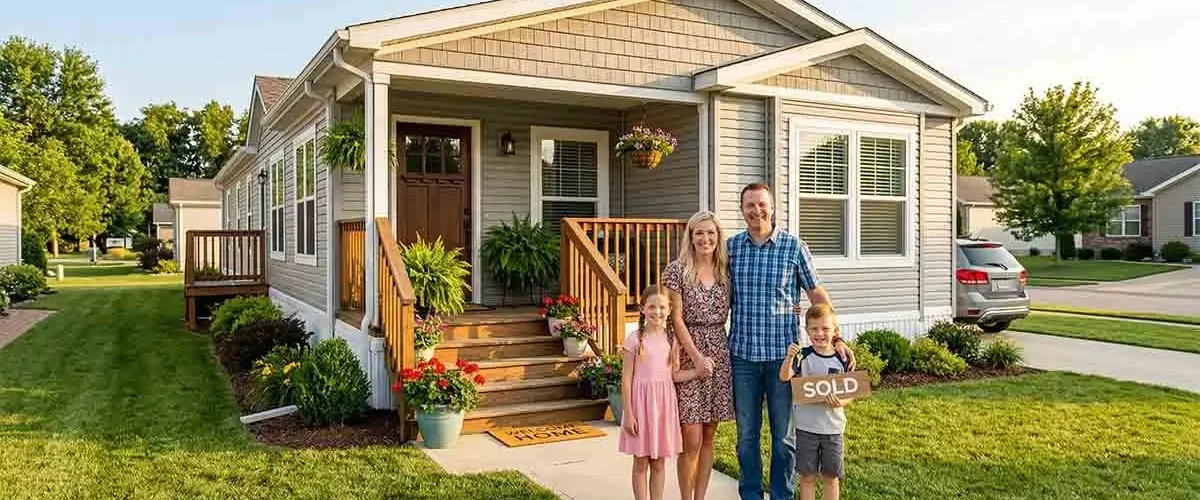
Is buying a manufactured home worth it in 2026? For the right buyer in the right situation — someone who can own the land, secure reasonable financing, and commit to good maintenance — absolutely yes. Manufactured homeownership is a legitimate, meaningful path to building wealth and stability for millions of Americans who cannot access site-built homeownership.
The key is going in with clear eyes about the risks (especially park-based ownership), making smart decisions about land and financing, and treating the home as the long-term investment it can be.

Rafael Medina is a two-time manufactured home buyer who went from a 611 credit score and $8,000 savings to owning two manufactured homes — one in a park and one on private land with an FHA mortgage. He writes for first-time buyers and park residents, covering the practical, real-world side of manufactured home ownership from someone who has lived every step of it.